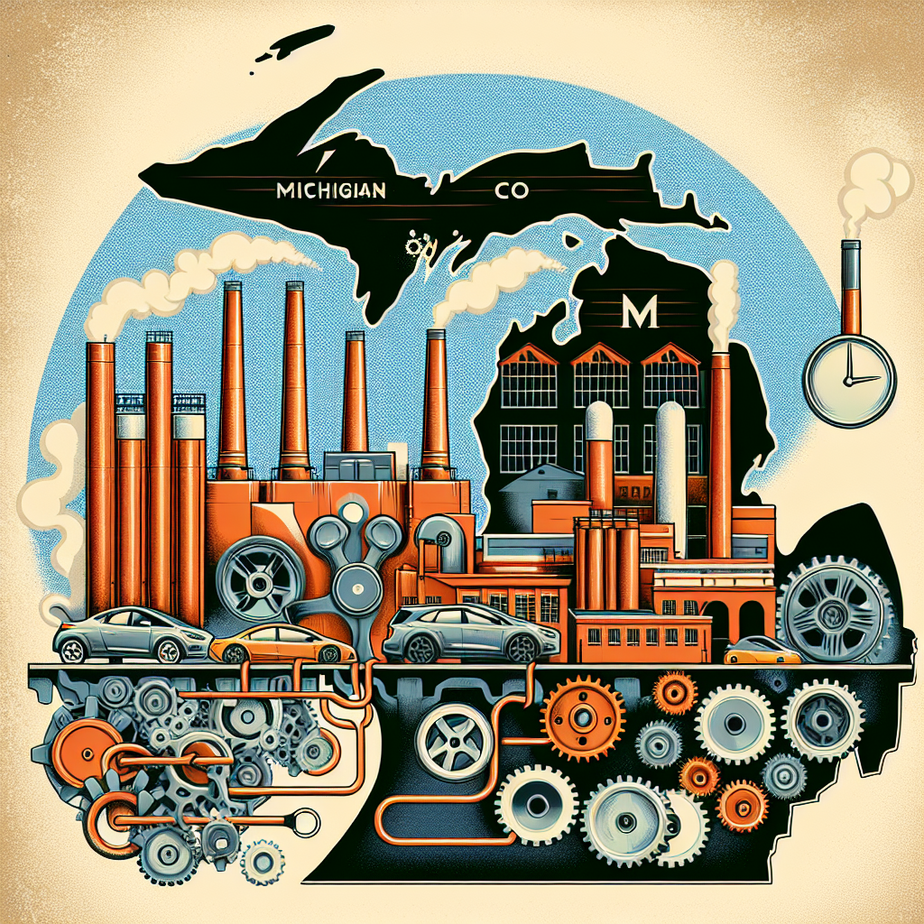
In a surprising turn of events, Michigan finds itself on the brink of a significant transformation as automobile giants Ford and General Motors reevaluate their electric vehicle strategies. Spurred by changes in federal policies, these automotive titans are channeling resources back into hybrid and conventional gasoline-powered models. This redirection could be a blessing in disguise for Detroit’s auto heartland, fostering economic growth and innovation in sectors long considered the backbone of America’s automotive industry.
The shift is largely driven by recent federal deregulation and a reconfiguration of tax incentives, altering the car manufacturing landscape. As electric vehicle production experiences a pullback, there’s renewed interest in traditional car models that feature hybrid technology. This pivot not only caters to a diverse consumer market still reliant on gasoline-powered vehicles but also offers a pragmatic approach in transitioning towards sustainable automotive solutions without fully discarding traditional engineering achievements.
For Michigan, this resurgence in hybrid and traditional vehicle interest could spark a renaissance for local manufacturing. The state’s extensive industrial infrastructure and skilled workforce are uniquely positioned to capitalize on this trend. By nurturing existing capabilities and blending them with emerging hybrid technologies, Michigan could solidify its reputation as a global leader in the auto industry. This potential boom in hybrid vehicles signifies job creation and increased local investment, priming the state for an economic upswing.
Furthermore, this transitional phase opens avenues for innovation. Auto manufacturers are tasked with improving fuel efficiency and reducing emissions in non-electric vehicles, demanding cutting-edge research and development. Michigan’s educational institutions and tech hubs are likely to play a crucial role by producing talent and breakthroughs needed to advance hybrid technologies. This symbiotic relationship between industry and academia could accelerate Michigan’s progression as a technological vanguard.
In conclusion, while the pullback from electric vehicles might initially appear counterintuitive amidst the global push towards sustainability, Michigan stands to benefit. By leveraging its industrial strengths and embracing hybrid advancements, the state could rejuvenate its economy and reaffirm its dominance in the automotive world. As the industry adapts to changing federal landscapes, Michigan’s proactive stance might just be the accelerator needed to navigate this complex road ahead.