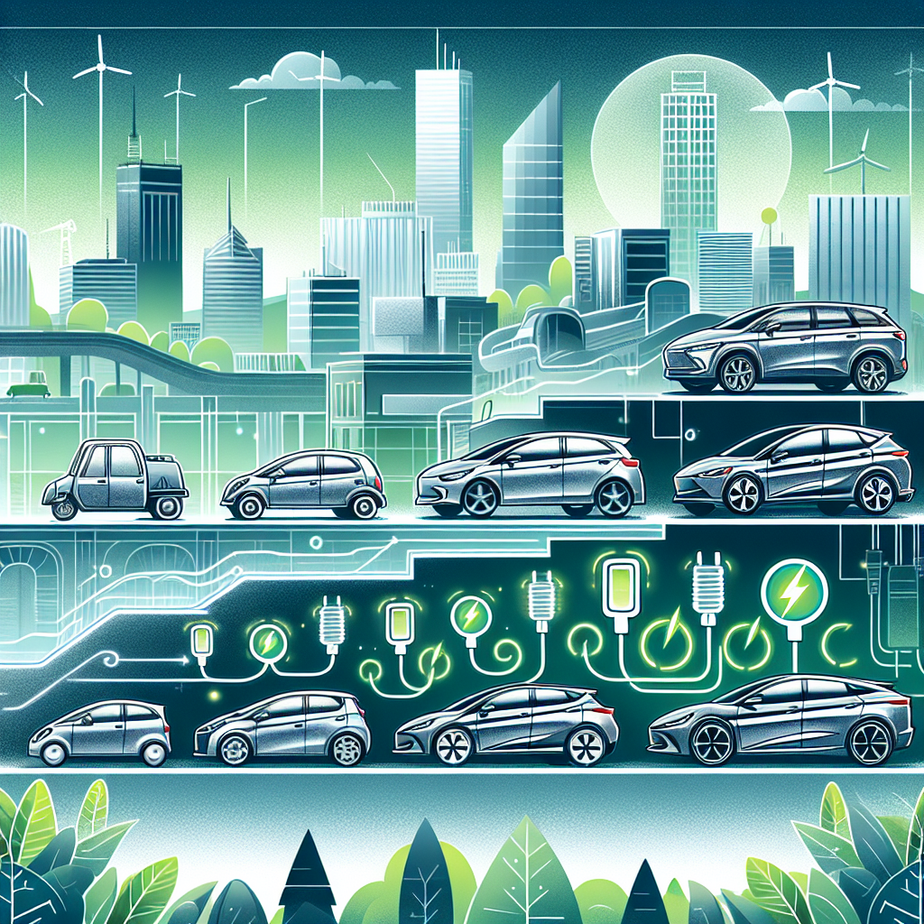
With the rise of global environmental awareness and technological advancements, electric vehicles (EVs) have firmly planted their wheels as the frontrunners of the automotive future. Although traditional gasoline-powered cars have dominated roads for over a century, the shift towards cleaner, more sustainable modes of transport is gaining unstoppable momentum. The call for more environmentally friendly options echoes in many communities, and it’s not merely a dream — it’s becoming a necessity.
The idea of enhancing public transport infrastructure, such as light-rail systems, as suggested by voices like Jim Markalunas, underscores the urgent demand for reducing carbon footprints. Complementing this vision, the adoption of EVs presents a viable solution for personal transportation. Unlike conventional vehicles, EVs produce zero tailpipe emissions, a critical factor in lower pollution levels and improved urban air quality. The synergy between enhanced public transit and widespread EV adoption could drastically reshape our current traffic-laden landscapes into more sustainable environments.
Beyond the environmental benefits, the appeal of electric vehicles extends to their innovative technology and user-friendly features. Automakers are continually evolving, offering models with longer ranges, faster charging times, and increasingly affordable prices. Moreover, advancements in battery technology have significantly extended the lifespan of EVs, reducing worries about range anxiety, often cited as a major barrier to adoption. These changes make EVs not only an ecological choice but an economically smart one too.
However, the transition to an electrified automotive future isn’t without its hurdles. Establishing an extensive charging infrastructure is a foundational challenge that needs concerted efforts from both the public and private sectors. Government policies and incentives play a crucial role in accelerating this shift, encouraging consumers to make greener choices without being deterred by the cost or lack of resources. Collaboration across industries and local governments will be key in ensuring the success of this transition.
In conclusion, as we stand on the threshold of a sustainable transport revolution, it’s clear that electric vehicles are more than just a trend — they are the cornerstone of future mobility solutions. While public transit developments could lead to more efficient urban journeys, the widespread adoption of EVs is set to redefine individual car ownership. Together, they complement each other in creating a cleaner, more efficient, and sustainable world for generations to come. The journey toward an electrified future may be challenging, but it’s one paved with potential and promise.