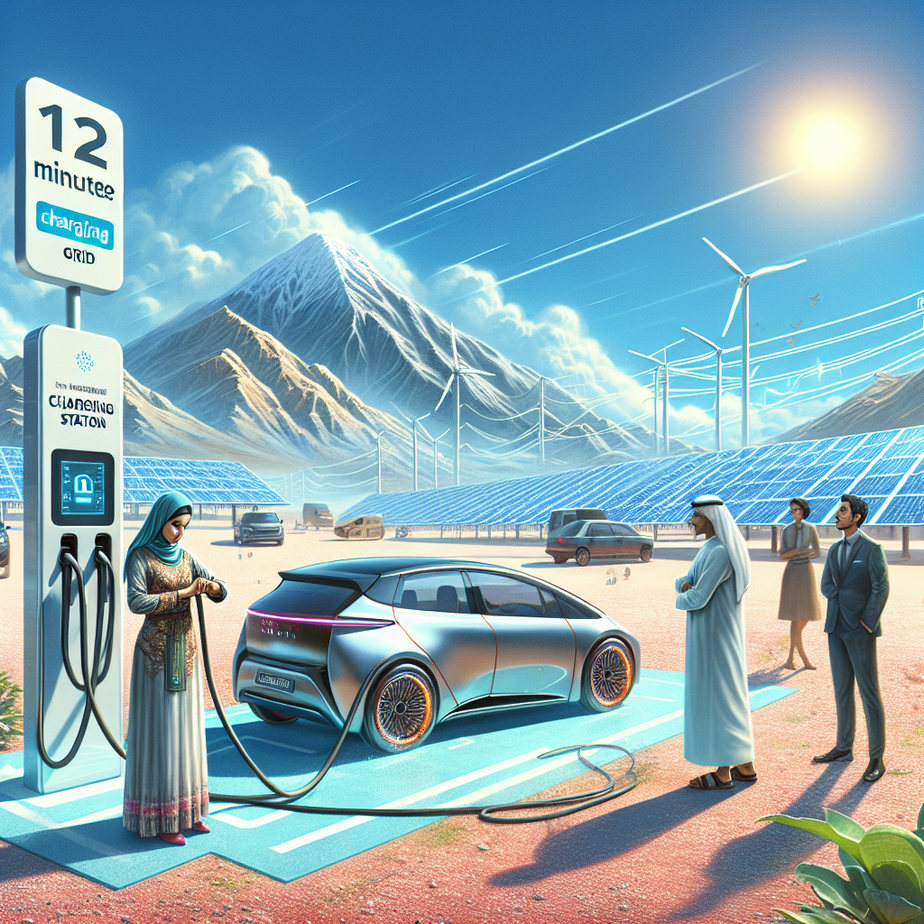
The era of waiting hours for your electric vehicle to recharge may soon be a thing of the past. A cutting-edge breakthrough in battery technology from South Korea suggests that the vision of driving 500 miles with only a 12-minute recharging pause is not as far-fetched as it once seemed. This new development harnesses the potential of lithium-metal batteries, promising not only increased travel range but also significantly reduced charging times, making electric vehicles more appealing than ever.
Lithium-metal batteries have long been touted for their superior energy density compared to the more prevalent lithium-ion cells. However, issues like dendrite formation have previously posed significant challenges, hindering their commercial viability. The recent advances from Korea, however, seem to address these hurdles effectively. By developing a novel approach to stabilize these batteries, researchers are paving the way for what could be a major evolution in how we power our vehicles, emphasizing efficiency and practicality.
This technological leap could substantially shift consumer perceptions and accelerate the adoption of electric vehicles. Range anxiety, a common deterrent for potential EV buyers, could soon become obsolete with these enhanced batteries. The prospect of embarking on long road trips without the frequent necessity to charge for hours bolsters the argument for transitioning from fossil fuel-reliant vehicles. More importantly, it aligns with global sustainability goals by potentially reducing our carbon footprint.
One cannot overlook the infrastructure implications of such a technological shift. While the batteries offer swift recharging capabilities, the current charging network must adapt quickly to support the influx of rapid-charge vehicles. This infrastructure readiness will be crucial for seamless integration into everyday transportation systems. It requires collaboration between policymakers, industry leaders, and energy providers to ensure widespread charger availability and the upgrading of existing facilities.
In conclusion, the innovation stemming from South Korea is not just about extending the range or reducing charging times; it symbolizes a transformative step towards a more sustainable and efficient transportation future. If these groundbreaking batteries succeed in overcoming their last hurdles and meet commercial viability, they could enhance the electric vehicle landscape, making EVs not just an alternative, but the preferred choice for many drivers. The next few years will be vital as we watch this technology develop further and integrate into our daily lives.