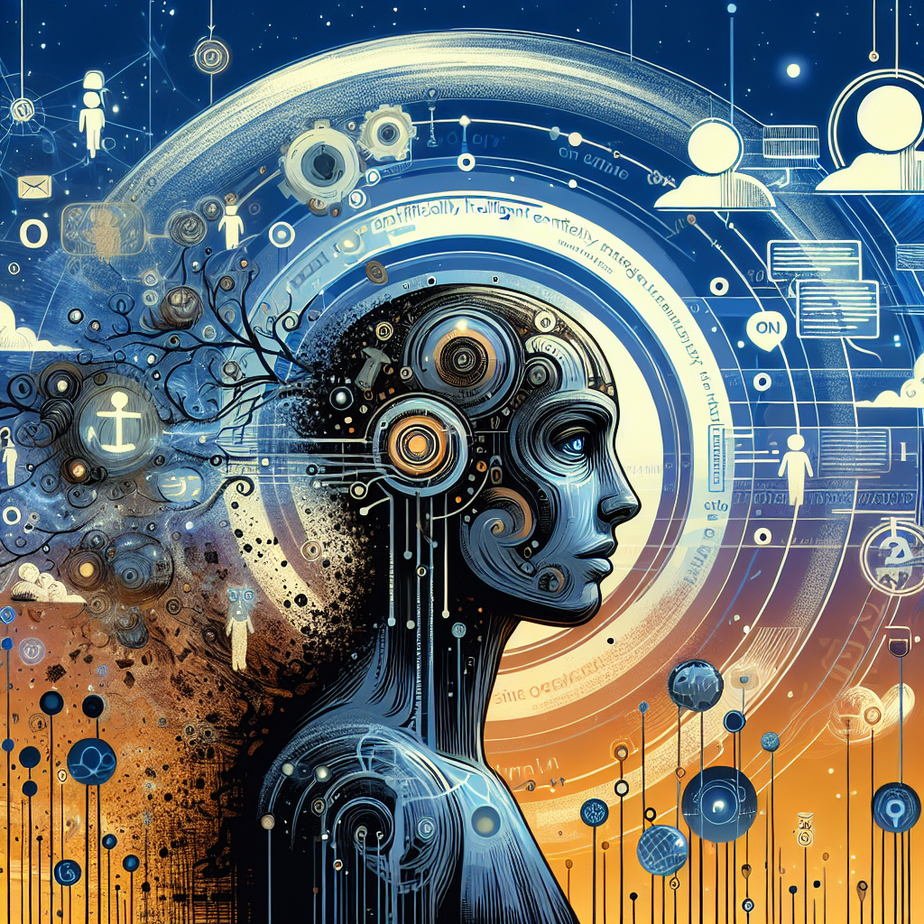
The internet, once buzzy with the chatter of human interaction and digital dialogue, is now a landscape increasingly dominated by artificial denizens. Gone are the simpler days burdened by trolls and pesky pop-up ads. We’ve entered an era where AI bots have emerged as major players, quietly cruising the online ecosystem, gathering data, and executing transactions, all while seamlessly masquerading as human users at times. It’s a digital evolution that challenges our perception of authenticity online — but what propelled this shift?
According to recent data insights from Cloudflare, as much as one-third of the internet’s traffic is now generated by bots. These aren’t the internet bots of yesteryear; today’s versions are sophisticated, engaging in activities ranging from customer service chats to creating content or, more controversially, manipulating social media narratives and engaging in financial transactions. Their proliferation raises questions about the integrity of digital interactions and the identity of those we assume are on the other side of the screen.
This transformation is not just a technological phenomenon but also an economic one. Businesses are leveraging bot technology to automate processes and streamline operations, from online retail to marketing strategies. For example, customer service bots now handle inquiries with increasing aptitude, illustrating the blend of artificial intelligence with consumer expectations. Yet, as bots continue to encroach on every corner of the internet, from e-commerce to social media, they also pose risks, particularly when deployed unscrupulously to spread misinformation or perpetrate scams.
Indeed, the rise of bots presents a dual-edged sword. While they offer undeniable efficiencies and economic benefits, the ramifications on user trust and privacy remain significant challenges. Are we diluting the human experience of the internet in exchange for convenience, or is this just the latest chapter in an ongoing evolution? Regulatory bodies, tech companies, and consumers must grapple with finding a balance that preserves the integrity of digital spaces.
As we navigate this new internet era populated significantly by bots, it’s important to adopt a discerning digital literacy. Individuals must become more adept at recognizing bot activity, while companies need to enforce transparency around their use of automated technologies. The internet’s transformation into a largely bot-driven network is neither inherently good nor bad, but how we adapt to and manage this shift, ensuring it serves rather than undermines, will define its impact on society. The future of the internet may well depend on striking a delicate balance between the light and shadow of artificial activity.