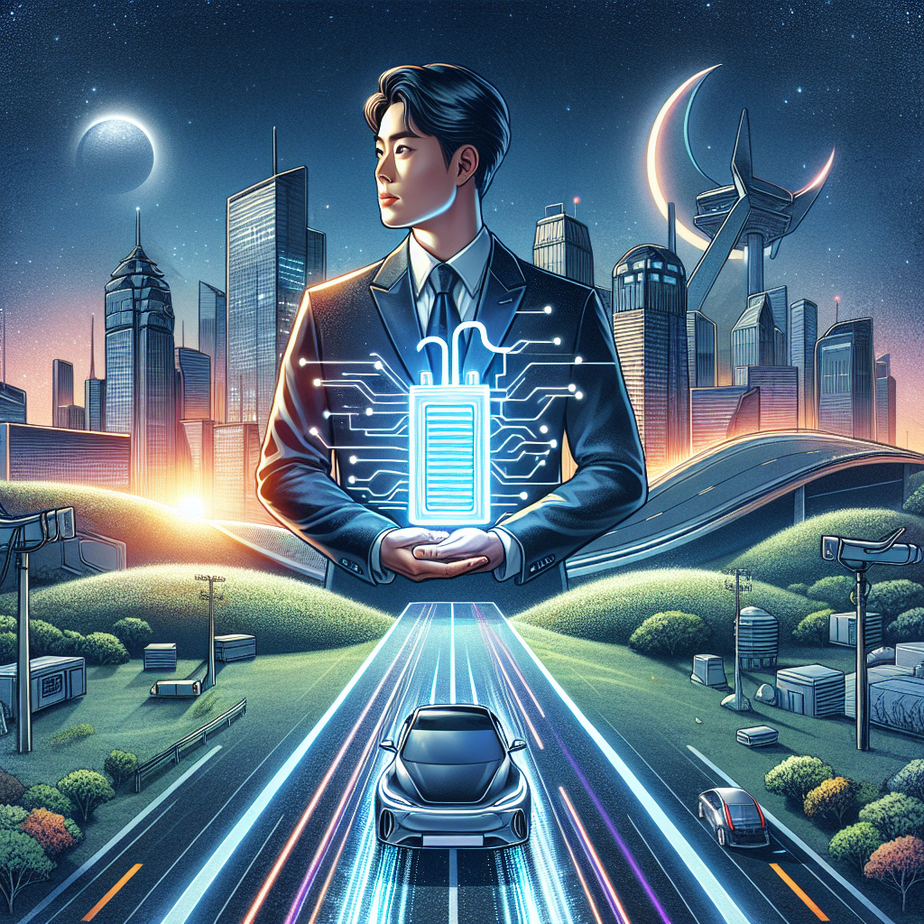
In a remarkable stride toward sustainable transportation, a revolutionary electric vehicle (EV) battery technology is emerging from Korea, promising to redefine the future of long-distance travel. This breakthrough could power electric cars to travel as far as 500 miles with just a brief 12-minute charge, setting a new benchmark for efficiency and convenience. As global demand for greener transportation options intensifies, this innovation could pave the way for widespread adoption of electric vehicles, potentially transforming the industry and reducing our carbon footprint.
The core of this advancement lies in lithium-metal battery technology, which has long been touted as a game-changer for energy storage solutions. This new iteration from Korea could finally give lithium-metal cells the reliability and safety needed for mass production. By overcoming the challenges previously associated with these batteries—such as dendrite formation, which can cause short circuits and reduce lifespan—scientists are now closer than ever to realizing a more stable and long-lasting energy source. This evolution could catalyze a shift in how we approach not just transportation, but energy storage as a whole.
When considering the implications of this technology on the EV market, it becomes clear that this advancement could be a significant draw for consumers. The convenience of a quick charge paired with the ability to travel longer distances addresses two of the main concerns potential EV drivers face: range anxiety and charging time. With traditional EV batteries requiring longer charging times and offering less mileage, this new technology could bridge that gap and incentivize more people to switch from gas-powered vehicles to electric ones.
Beyond consumer attraction, this development is also noteworthy for its potential impact on infrastructure and energy systems. As EV adoption increases, the demand for charging stations will inevitably rise, and a quicker charge could ease this pressure by reducing the time vehicles spend tethered to a power source. Additionally, lithium-metal technology could lead to lighter and more compact batteries, translating into increased efficiency in terms of space and resources, further boosting the scalability of electric vehicles and enabling more innovative design possibilities for future models.
As we continue to navigate the complexities of transitioning to a sustainable energy economy, the significance of this breakthrough cannot be overstated. While there are still hurdles to overcome, such as ensuring cost-effectiveness and widespread compatibility, the promise of a 12-minute charge for a 500-mile journey sets an inspiring precedent. If these challenges are met, this Korean innovation could serve as a catalyst for a new era of transportation, one where distance and convenience no longer inhibit the widespread adoption of greener vehicles, nudging us closer to a sustainable future.