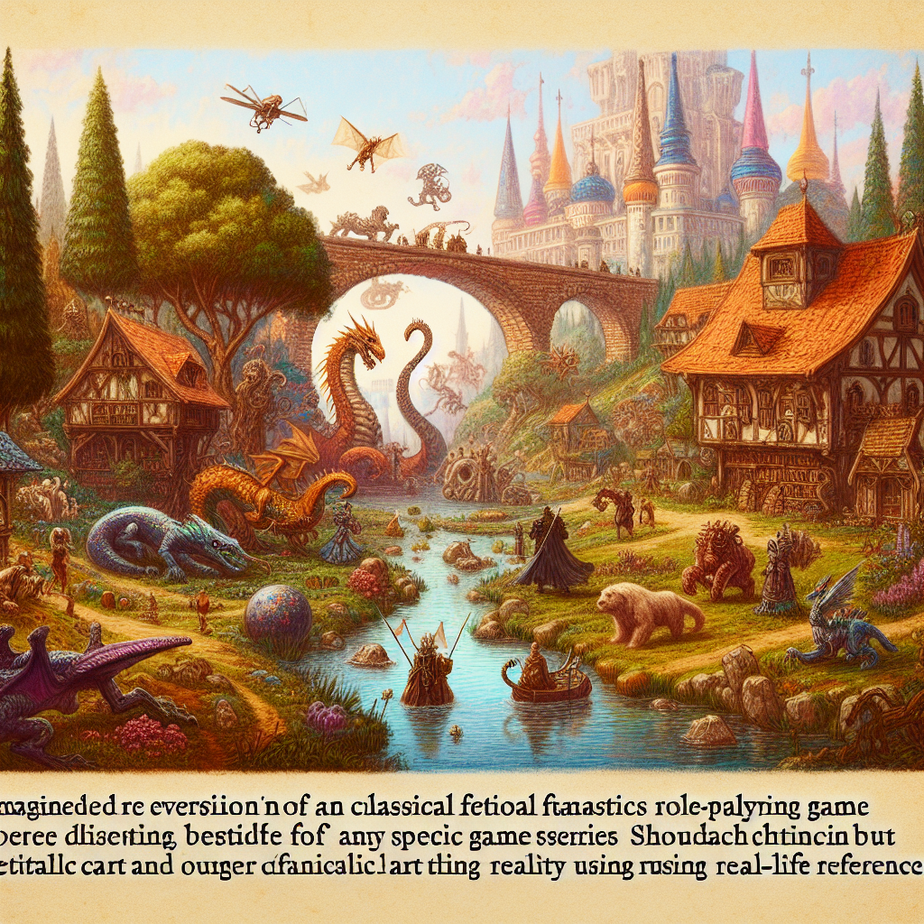
The iconic Dragon Quest series, cherished by fans for its classic role-playing game elements and the unmistakable art style of the late Akira Toriyama, stands on the cusp of innovation with the upcoming release of Dragon Quest 7 Reimagined. While many enthusiasts hold a deep love for Toriyama’s traditional art style, the new direction taken by the developers at Square Enix invites both intrigue and a touch of controversy. By incorporating real-life models to craft the game’s characters, the team hopes to create a captivating blend of reality infused into the fantasy realm.
The revelation of using physical models for characters like the Hero and Kiefer, as shared by series creator Yuji Horii, marks a notable shift in the franchise’s artistic approach. This technique aligns with the current trend in gaming, where developers strive to push the envelope of realism and authenticity. By scanning these models directly into the game, Square Enix ensures that the essence of the characters is conveyed with precision, maintaining the quintessential allure of Dragon Quest while adding a layer of tangible depth.
Yet, as with any bold creative decision, this change has sparked a dialogue within the community. Purists may wrestle with the departure from Toriyama’s signature style, which has become synonymous with the series over the decades. Nevertheless, this innovative approach could potentially appeal to a new audience, one that values the confluence of traditional and modern artistic expression. It’s a daring move that stakes the legacy of the game on the careful balance between honoring the past and embracing the future.
From a broader perspective, the use of real-world models fosters a conversation about the evolving nature of art in video games. It underscores the industry’s commitment to enhancing player immersion through sophisticated visual storytelling techniques. As video games continue to meld cutting-edge technology with creative artistry, the sector stands to benefit from fresh interpretations and bold reimaginings like those seen in Dragon Quest 7 Reimagined.
In conclusion, Dragon Quest 7 Reimagined’s endeavor to integrate real-life models as the foundation of its character design represents a compelling fusion of reality and fantasy. While the decision may naturally divide opinion among fans, it undeniably marks an auspicious step toward diversifying artistic expressions within the gaming industry. If this direction resonates with players, it could very well pave the way for future innovations, ensuring that the Dragon Quest series not only honors its storied history but also remains a dynamic force in the world of digital entertainment.