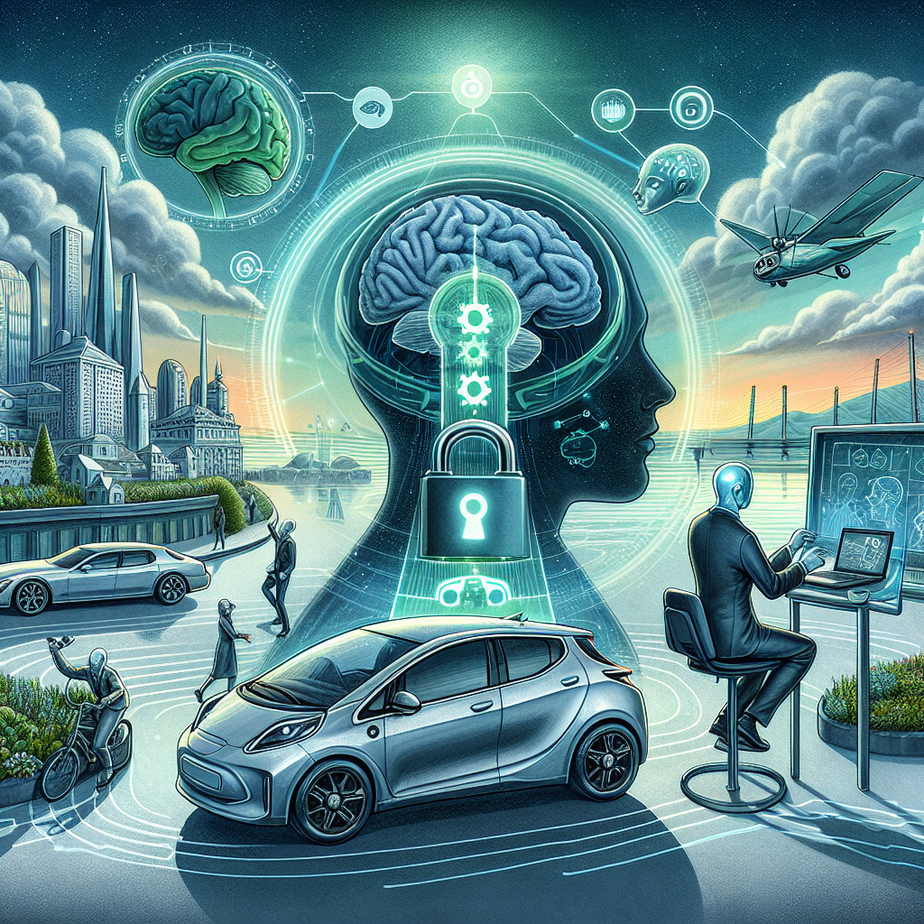
In an era where sustainability is king and electric vehicles (EVs) are the poster children of the green revolution, the Toyota Research Institute’s latest findings suggest that the key to maximizing EVs’ environmental benefits might lie in the murky depths of human behavior rather than in clever tech alone. By leveraging insights from behavioral science, the Institute’s new studies in both the U.S. and Japan reveal promising pathways to enhance carbon reduction efforts beyond what technology updates alone can achieve.
Traditionally, advancements in EVs have focused almost exclusively on improving batteries, reducing costs, and expanding infrastructure. However, the Toyota Research Institute’s research suggests a novel perspective—one where the behavior and decision-making of consumers play fundamental roles in the ecological effectiveness of these vehicles. Behavioral science-based interventions, such as nudges and incentives that encourage more strategic use of EVs, have demonstrated the potential to substantially amplify carbon savings.
Consider, for instance, the impact of simple interventions that promote off-peak charging. If consumers are guided through targeted motivational strategies to charge their vehicles during periods of low electricity demand, the collective reduction in grid strain can lead to a noteworthy decrease in emissions. This shift not only ensures more sustainable energy consumption but also aligns with the financial incentives of cheaper energy costs, creating a win-win scenario for both consumers and the environment.
The research in Japan and the U.S. underscores a critical insight: change doesn’t rest solely on technological shoulders but is equally dependent on how users interact with these technologies. By understanding consumer habits and barriers, Toyota Research Institute proposes a cooperative model where behavioral modifications work symbiotically with existing technological frameworks, resulting in a greater cumulative impact on carbon reduction.
In conclusion, while the electrification of transportation is undeniably crucial for reducing environmental impacts, this research reminds us that human behavior and decision-making hold untapped potential in the fight against climate change. By integrating behavioral science into our approach, we can fully harness the potential of electric vehicles, ensuring they contribute to a sustainable future not just through innovation and efficiency, but also through a deep understanding of human dynamics.