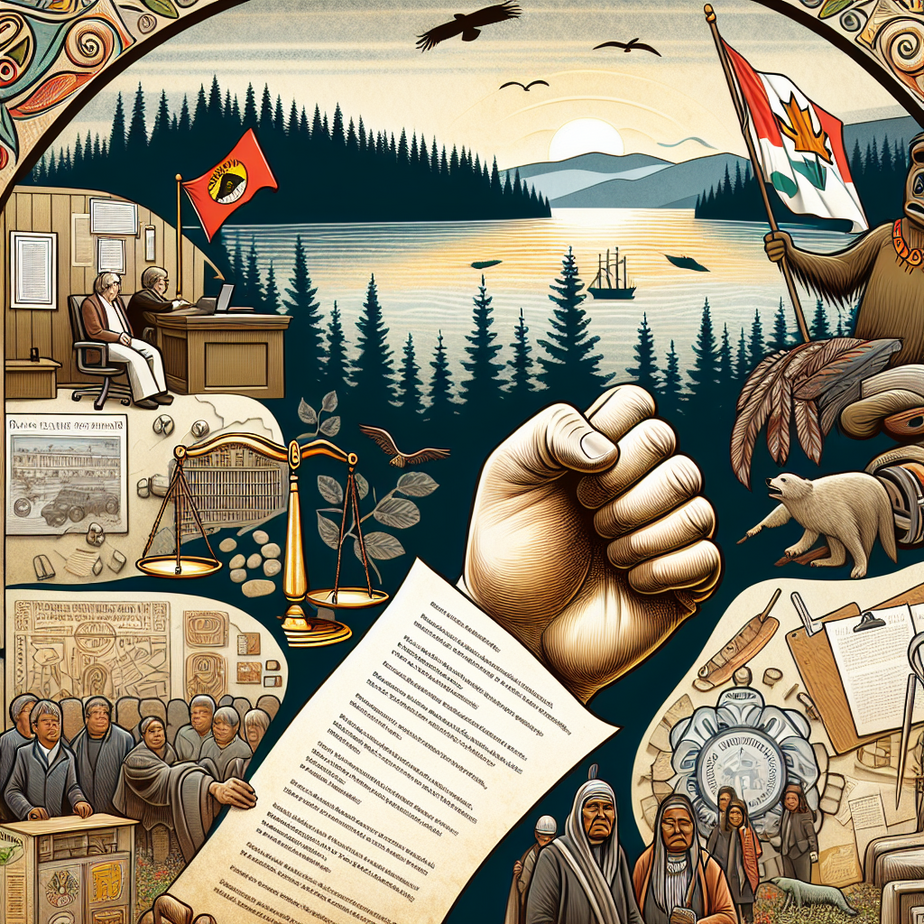
In a compelling turn of events, the Lax Kw’alaams Band has reignited discussions around historical land agreements in Canada by filing a lawsuit aimed at overturning a settlement from 2002. The Band is taking a stand in federal court, challenging past decisions regarding the sale of their reserve lands to the Grand Trunk Railway Company. This legal battle underscores a larger narrative of Indigenous communities actively seeking restitution for past grievances and advocating for their rights to fair treatment and compensation.
The core of the Lax Kw’alaams Band’s case lies in alleged fiduciary breaches by the Canadian government, which they claim were not transparently communicated when the 2002 settlement was signed. This assertion suggests a potential pattern of oversight or neglect that has long-term consequences for Indigenous communities. As these issues come to light, they highlight the need for careful re-examination of historical agreements that may have been, intentionally or not, skewed in favor of non-Indigenous interests.
It’s crucial to consider the wider implications of this case. Should the Lax Kw’alaams Band succeed, it could set a precedent for numerous Indigenous groups across Canada to challenge historical agreements made under similar circumstances. Such outcomes may lead to a significant shift in how the government approaches historical land claims, prioritizing transparency and equitable settlement terms moving forward. This scenario could be transformative not only for Indigenous peoples but also in redefining Canada’s legal landscape regarding Indigenous rights.
The case also sheds light on the complexities of reconciling past injustices with present realities. As the Lax Kw’alaams pursue this legal avenue, there’s a broader societal reflection on the importance of addressing historical wrongs through meaningful dialogue and justice. This process involves not only legal mechanisms but also an acknowledgment of Indigenous voices and experiences that have been marginalized historically.
In conclusion, the Lax Kw’alaams Band’s legal challenge is more than a quest for compensation; it is a demand for recognition and redress. It serves as a poignant reminder of the enduring impact of historical agreements and the necessity for continual scrutiny and revision to ensure fairness. The steps taken by the Lax Kw’alaams Band may very well pave the way for similar actions nationwide, fostering a new era of accountability and justice for Indigenous communities.