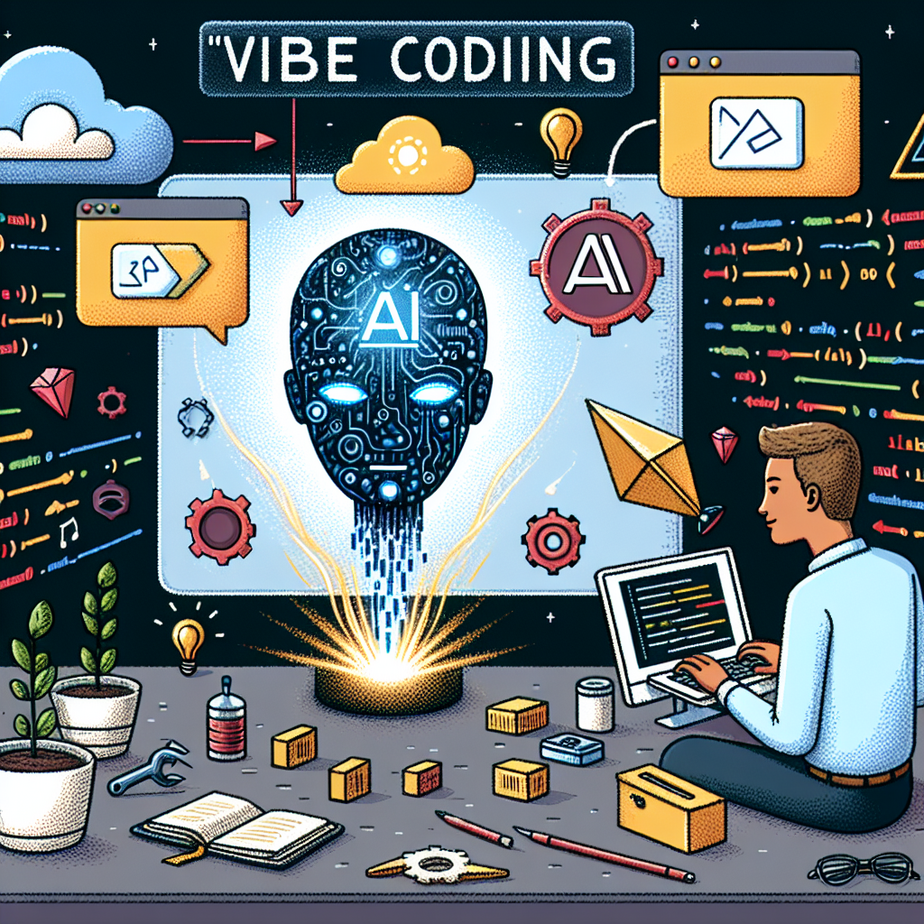
In recent years, the integration of artificial intelligence into software development has gradually shifted the landscape, introducing what some refer to as ‘vibe coding.’ This term encapsulates the idea of coding with the assistance of AI tools which can quickly generate code snippets, making them akin to junior developers under the mentorship of seasoned professionals. Despite some skepticism, experienced developers find overseeing these digital apprentices both a challenge and a boon.
The role of senior developers has subtly transitioned into that of AI ‘babysitters,’ a role that emphasizes guidance and oversight more than ever before. These developers ensure the AI-generated code aligns with project goals and adheres to best practices. While it might sound demanding, many have reaped unexpected benefits. AI can handle repetitive coding tasks, thus liberating developers to focus on strategic components that genuinely require human creativity and problem-solving.
Those who’ve embraced this symbiotic relationship with AI suggest it’s a step towards more innovation. AI coding tools are evolving rapidly, bringing to light the possibility of even more streamlined workflows and a narrowing skills gap for new coders. By partnering AI with human oversight, companies can maintain high-quality standards while also keeping up with the fast-paced demands of the industry. In this context, AI is set to become a valuable teammate, rather than a simple tool.
However, the transition doesn’t come without hurdles. Developers must invest time in understanding AI capabilities and limitations. This demands a shift in skillsets, focusing more on interpreting and guiding AI output rather than solely relying on manually coding. Workshops and training sessions have become essential in this blend of technology and human intuition, ensuring developers are equipped to nurture their AI counterparts effectively.
As the realm of AI in software development continues to flourish, the role of developers is poised to evolve further. Embracing AI does not signify an end to traditional coding, but rather an exciting augmentation that enriches the development process. The increased efficiency and potential for innovation affirm that, despite the challenges, guiding AI as an ‘apprentice’ is indeed a worthwhile endeavor for those looking to lead the charge in tech advancement.