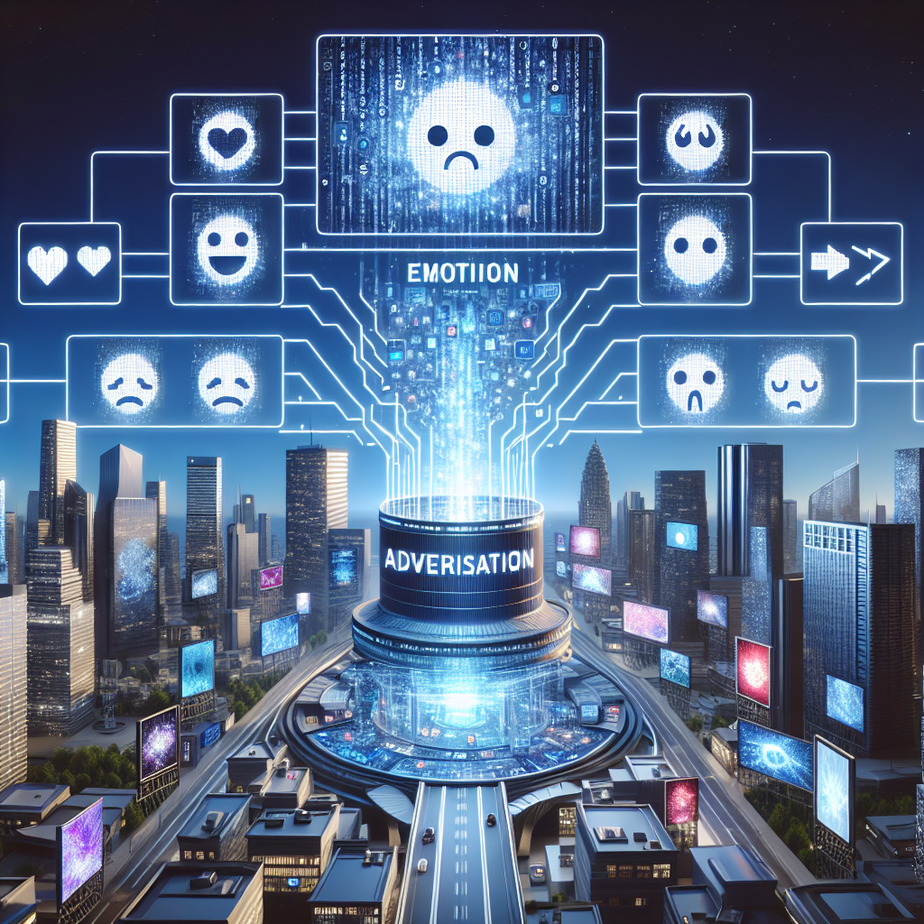
In the ever-evolving world of digital advertising, the introduction of Emotion AI—an advanced technology capable of understanding and analyzing human emotions—is stirring up much anticipation and intrigue. As brands continually strive to make deeper connections with their audiences, the ability to tailor marketing strategies based on emotional feedback represents a potential paradigm shift. This technology opens up a new realm of possibilities for creating ads that resonate more profoundly with individuals, making the communication between consumers and brands more meaningful than ever before.
Emotion AI operates by employing sophisticated algorithms and machine learning techniques to interpret emotions through biometric data, facial expressions, voice intonations, and other indicators. By capturing these nuanced emotional cues, advertisers can craft personalized messages that appeal directly to an individual’s emotional state. This precision in targeting can enhance the consumer experience, leading to higher engagement rates and improved customer loyalty. However, as compelling as this may sound, there are significant challenges to consider as well.
One of the primary concerns with the use of Emotion AI in advertising is privacy. Analyzing consumers’ emotions requires access to sensitive personal data, which can be troubling for many. Ensuring this data is collected ethically and securely processed is paramount to gain trust from the user base. Additionally, there is a risk of manipulating emotions unethically to boost sales, which could lead to a backlash against brands seen as exploitative. As such, striking a balance between personalized marketing and ethical practice is critical as industries explore Emotion AI.
There are also technical challenges involved in accurately reading and interpreting human emotions. Emotions are complex and can be influenced by various factors, including cultural differences, personal experiences, and contextual nuances. Therefore, Emotion AI systems must evolve continuously to ensure they can correctly interpret this diverse emotional landscape. Despite these obstacles, the potential benefits of Emotion AI in creating more engaging and relevant advertisements are immense, which is why the advertising world is buzzing with curiosity and optimism.
In conclusion, while Emotion AI promises a new frontier in advertising that could lead to more personalized and effective consumer-brand interactions, it must be wielded responsibly. Marketers need to prioritize ethical considerations and invest in robust data security measures to maintain consumer trust. As the technology matures, advertisers who can harness its power effectively while navigating its challenges stand to gain a distinct competitive edge in the industry. The future of advertising with Emotion AI is tremendously promising, but it requires careful stewardship to realize its full potential.