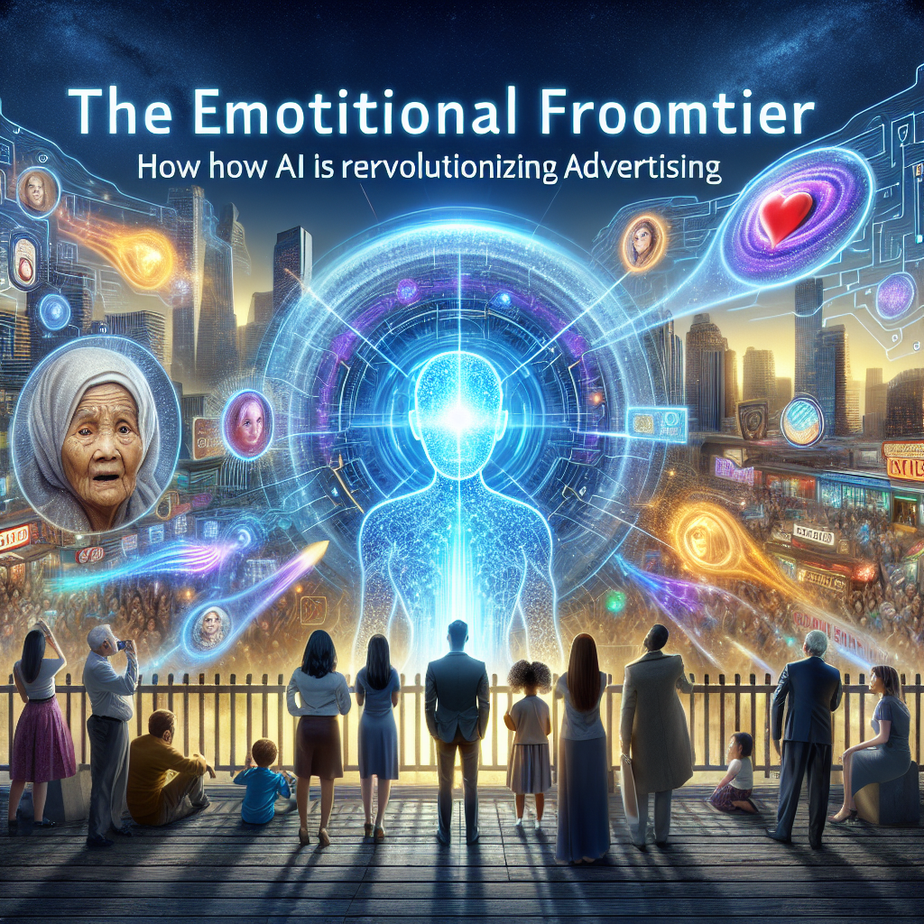
In the swiftly evolving realm of advertising, a groundbreaking technology is shaping the future of how brands connect with consumers: Emotion AI. Imagine a world where advertisements don’t just guess what you might like, but accurately discern your current mood and tailor content accordingly. This level of personalization promises not only to enhance engagement but also to forge deeper emotional bonds between brands and their audiences. Emotion AI is quickly becoming a formidable tool for advertisers looking to break through the noise and speak directly to the hearts of consumers.
Emotion AI works by leveraging sophisticated algorithms to analyze facial expressions, voice tones, and even the slightest nuances in language. By decoding these signals, it predicts and interprets the emotional states of individuals interacting with digital content. The potential for refined audience segmentation and curated experiences is immense. Imagine an ad that not only understands that you’re a sports enthusiast but also senses your excitement after your favorite team wins, offering personalized merchandise or experiences related to your euphoria.
However, the journey to widespread adoption of Emotion AI in advertising is not without its hurdles. Privacy concerns loom large, as the technology requires a wealth of personal data to function optimally. Companies will need to tread carefully, ensuring transparency and consent are at the forefront of their strategies. Additionally, the potential for misuse—where emotional manipulation crosses ethical boundaries—presents a challenge that the industry must navigate thoughtfully.
Despite these challenges, the impact of Emotion AI on advertising is undeniable. This technology enables brands to craft messages that resonate on a human level, moving beyond mass marketing to touch individuals in a unique and meaningful way. It can transform a standard advertisement into a compelling narrative that reflects and respects the viewer’s emotional state, potentially increasing brand loyalty and driving conversions.
In closing, the advent of Emotion AI in advertising marks a pivotal shift towards more empathetic and responsive marketing strategies. As we stand at this exciting crossroads, the key will be balancing innovation with ethics. Brands that learn to harness this revolutionary tool while respecting consumer privacy and ethical considerations may well lead the charge in a new era of advertising, paving the way for a future where every interaction feels authentically personalized.